A Beginners Guide To PCPs
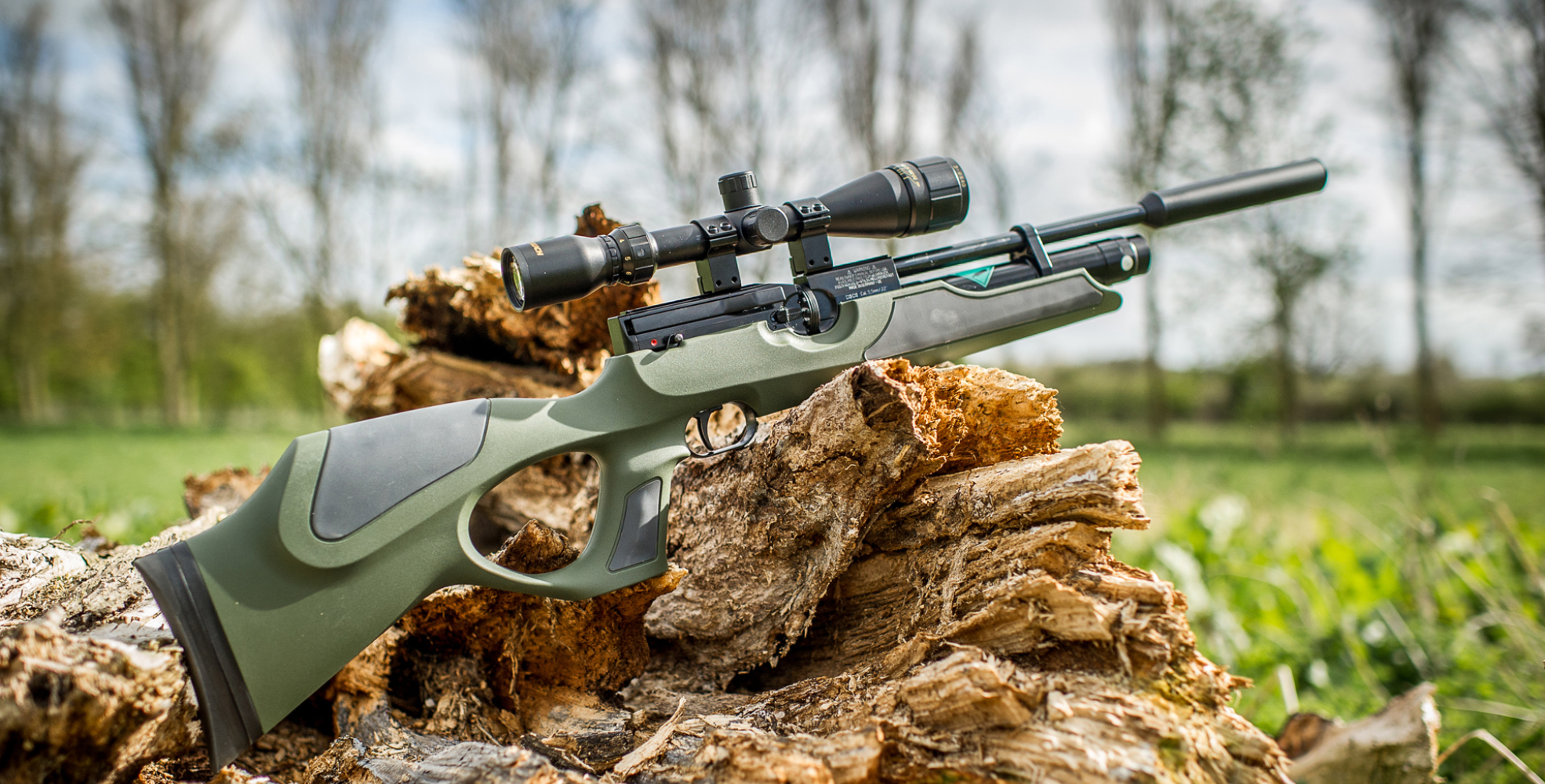
We’ve finally put together Bristol Airguns’ comprehensive guide to Pre-Charged Pneumatic (PCP) air rifles! Whether you’re a complete beginner or a seasoned shooter, this guide aims to answer your questions and provide valuable insights into the world of PCP air rifles.
Safety First
Safety is paramount when handling any type of firearm, including airguns. Here are essential safety tips:
- Always treat your airgun as if it were loaded.
- Keep your finger off the trigger until you are ready to shoot.
- Never point your airgun at anything you do not intend to shoot.
- Keep the safety on until you are ready to fire.
- Be aware of your surroundings and ensure that you have a safe backstop.
- Do not play around with airguns; they are not toys.
- Remember, you represent the shooting community, so act responsibly to avoid stricter regulations.
What Is A PCP?
PCP stands for Pre-Charged Pneumatic. These airguns use compressed air to propel pellets. Here’s a brief overview of different propulsion methods:
Spring-Piston Airguns:
Use a spring mechanism, similar to a bicycle pump, to compress air for each shot. These provide one shot per action.
CO2 Airguns:
Use CO2 canisters, offering multiple shots per canister but can be costly and provide limited shots, especially with larger calibers or higher velocities.
PCP Airguns:
Utilise an onboard air reservoir filled with compressed air, offering multiple shots per fill, more power, and higher consistency than CO2 and spring-piston airguns.
Charging Methods
PCP airguns require filling the onboard reservoir with compressed air. There are three main charging methods:
Hand Pumps:
- Cost: £30-£180.
- Effort-intensive; use your body weight to pump air into the reservoir.
- Connect the pump, close the bleed valve, and pump until the desired pressure is reached. Release the air in the connecting pipe before disconnecting.
Diver’s Tanks:
- Cost: £100-£300.
- Require refilling at dive shops (around £5 per fill).
- Provide multiple gun fills depending on tank and gun sizes. Connect the tank, open the main valve slowly, fill to the desired pressure, and then release excess air in the pipe.
Compressors:
- Cost: £160-£2500.
- Ideal for frequent or high-power shooters.
- Can fill guns directly or charge diver’s tanks. Connect the compressor, close the bleed valve, start filling, and monitor the pressure gauge.
Why Choose A PCP?
PCP airguns offer several advantages over spring-piston and CO2 airguns:
Higher Shot Count: More shots per fill compared to CO2 and spring-piston airguns.
Consistency and Accuracy: No moving springs reduce recoil, resulting in better accuracy.
Power: Can be used for a variety of shooting activities from plinking to pest control, with adjustable power levels in some models.
Power Levels
Different countries have different regulations for airgun power:
UK: Rifles under 12 ft-lbs and pistols under 6 ft-lbs do not require a license.
FAC: Available freely in some countries, particularly the USA, allowing for more significant pest control and longer-range shooting. FAC Shooters in the UK require a firearms license.
Types of PCP Airguns
There are various types of PCP airguns to suit different preferences and purposes:
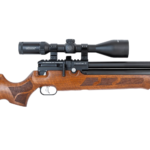
Traditional Rifles: Classic design, often with wooden stocks.
Bullpup Designs: Compact and balanced, ideal for tight spaces.
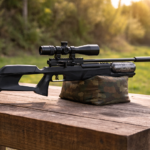
Synthetic Stocks: Durable and weather-resistant.
Electronic Guns: Advanced features like electronic triggers and power adjustments.
Ammunition
PCP airguns primarily use lead pellets, available in various calibers:
.177 (4.5mm): High velocity, flatter trajectory, ideal for target shooting.
.22 (5.5mm): Higher stopping power, suitable for pest control.
.20 and .25: Offer a balance between the two, with growing popularity.
Sighting & Scopes
Most PCP rifles do not come with sights and require external sighting aids:
Rails: Mount scopes using Weaver, Picatinny, or Dovetail rails.
Scopes: Choose based on magnification needs; hunters prefer lower magnification, while target shooters may opt for higher magnification.
Focus and Parallax Adjustment: Important for accuracy, especially at varying distances.
Single or Multishot?
PCP airguns offer options for both single-shot and magazine-fed multi-shot configurations:
Magazines: Allow for quick reloading, available in various capacities.
Single-Shot Trays: Preferred by some for precision, as each pellet is loaded manually.
Barrels
Rifled Barrels: Spin the projectile for stability and accuracy.
Twist Rates: Vary to match specific pellet or slug types.
Silencers
Silencers/Moderators: Reduce the noise of the shot. Many PCPs come with threaded barrels for aftermarket silencers.
Accessories
A wide range of accessories is available for PCP airguns, including:
Bipods and Rests: For stability.
Cases and Bags: For transport and protection.
Cleaning Kits: Essential for maintaining accuracy and longevity.
By understanding these basics, you can make an informed decision on choosing and using PCP airguns. Stay safe and enjoy your shooting experience!
About Bristol Airguns
A Pastime
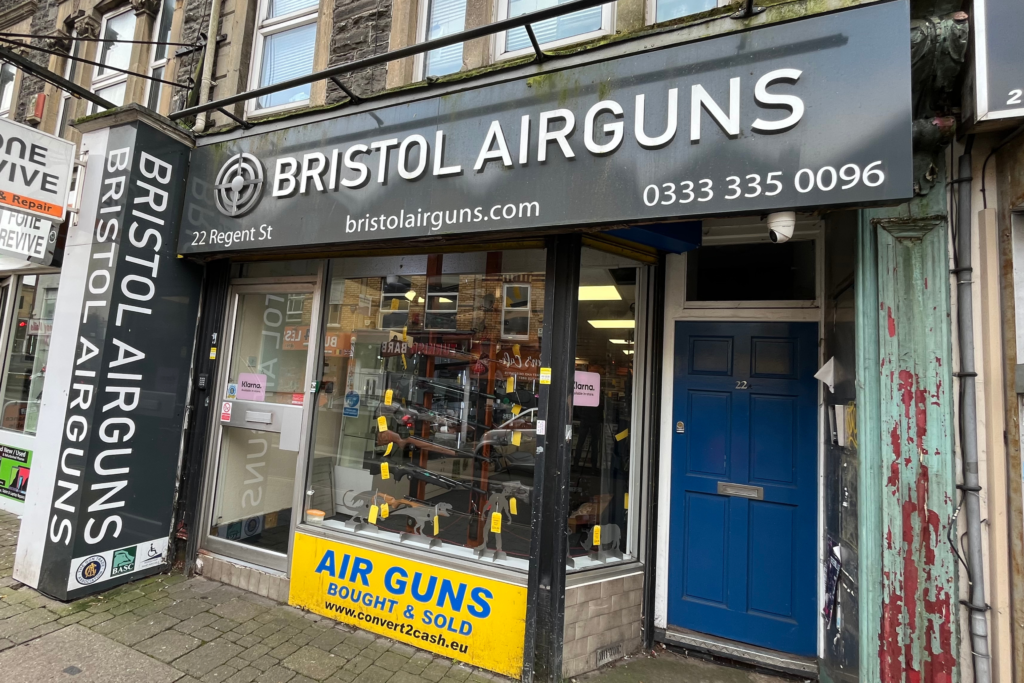
Bristol Airguns officially started in 2015, but the story goes back much further. David, the owner, grew up shooting his dad’s old BSA airgun in the 1970s, and also spent time deer-stalking and shooting .22 rimfire for target work.
Why The Shop Started
While running a pawnbroking business, David noticed something interesting. A lot of airguns were passing through, and there was real enthusiasm behind them. People were genuinely passionate. That’s when he realised the opportunity to step away from pawnbroking and into something far more rewarding.
What Makes Us Different
We don’t just sell airguns. We care about the person buying them. For us, selling an airgun isn’t the finish line, it’s the first step in someone’s journey as a shooter.
Instead of pushing the first gun on the shelf, we take time to understand what you want and why you want it. We know how important that feeling is when you walk out with a new bit of kit, ready to shoot.
Flexible Buying Options
We also know wallet pressure is real. That’s why we offer finance options, including 3, 6, 12, and 24 month plans.
To make the 12 and 24 month options possible, David personally became FCA registered, something not many RFDs do.
We’ve also added a deposit system, so you can secure your airgun now and pay the balance later, whether that’s in full or through finance.
Who We See Everyday
Our customers are a real mix, from complete beginners to long-time airgunners with a specific idea of what they want. And we love that variety.
Compared to the days of pawnbroking, the airgun community is a breath of fresh air. Airgunners are generally welcoming, friendly, and a pleasure to deal with. It makes our job genuinely enjoyable.
How We Help You Choose
When someone asks for advice, we start with them, not the product list.
We talk about:
- Your budget
- Your experience
- What you want the gun for
- How it feels when you pick it up
One of the most common mistakes we see is people buying something just because it’s popular. If you’ve handled a gun and you love it, great. But don’t buy what everyone else has just because social media says so.
Community Matters
We wouldn’t be here without shooters talking to each other and sharing knowledge. That’s why we:
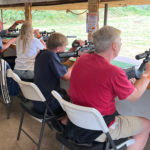
- Run bi-annual open days at our range
- Chat with people online
- Engage with forums and social channels
It’s all part of helping more people enjoy the sport.
What We Enjoy Most
Above everything else, what keeps us going are the people we meet. Shooters come from all walks of life, but they’re almost always welcoming and passionate, and that’s one of the best things about this hobby.
Want To Talk Airguns?
If you’ve never dealt with Bristol Airguns before, expect a relaxed, honest conversation with no pressure and no hard sell.
If you want a chat about what might be right for your next purchase, we’re always happy to help:
📞 0333 335 0096
📧 [email protected]
🏠 22 Regent St, Bristol, BS15 8JS
Or follow us:
We’re always up for talking airguns.